Illustration Guides 2026:Why Human Creativity Is Winning in the Age of AI
Posted On: April 14, 2026
Reading Time: 12 min read
Share:


Keep Up with Marketing Trends
Get the weekly newsletter
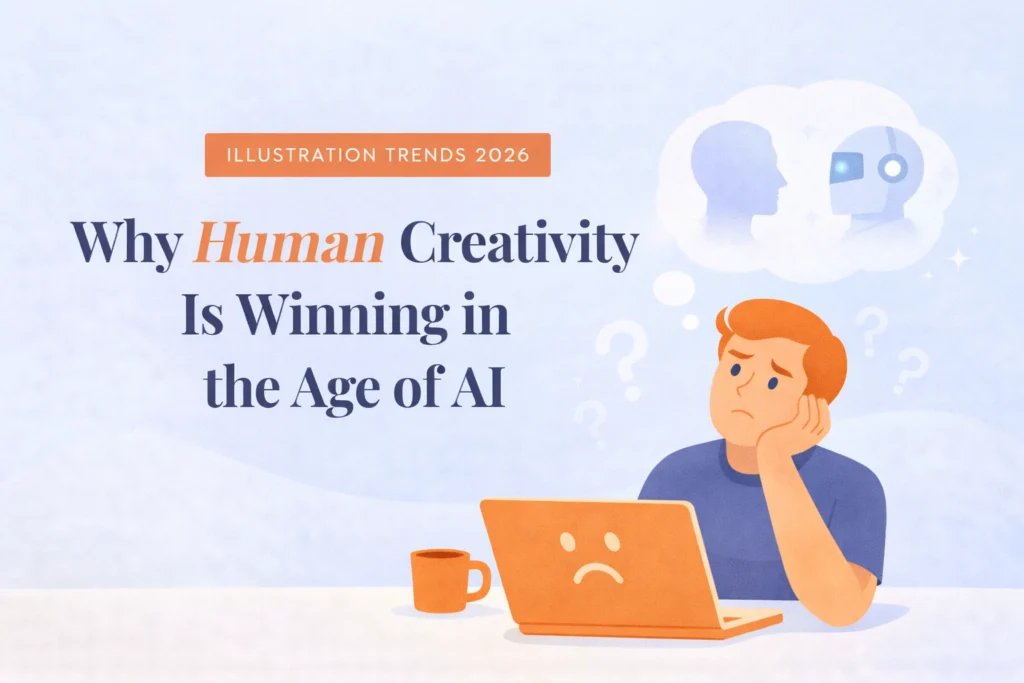
In 2026, the biggest illustration trends have almost nothing to do with technology – and everything to do with what technology can’t replicate.
A few years ago, most designers assumed AI would replace hand-drawn art. And to some extent, it did. Generative tools made it possible to produce polished visuals in seconds – technically perfect, fast, and scalable.
But here’s what nobody predicted: the more perfect visuals became, the less people connected with them.
“The big picture: Illustration in 2026 isn’t dying – it’s evolving. Human creativity, expressive style, and emotional honesty are becoming competitive advantages in a world where AI can do everything except feel something.”
– Husna P
Illustrator
By 2026, a quiet exhaustion has set in. Feeds are full of smooth, flawless, AI-generated imagery. And audiences are scrolling right past it – because everything looks the same.
Meanwhile, the illustration styles gaining the most traction are raw, imperfect, and deeply human. This isn’t a nostalgia trip. It’s a strategic response to visual saturation – and the smartest brands, designers, and illustrators are already acting on it.
In this guide, we cover the top illustration trends of 2026, what’s driving them, and how to apply them to real design work – whether you’re a freelance illustrator, a brand designer, or a business investing in visual identity.
Top Illustration Trends Of 2026
1. Naive & Playful Illustration Style:
When “Imperfection” Is the Point
One of the dominant digital illustration styles of 2026 is what designers are calling “naive” or playful illustration – and it looks exactly like the name suggests.
Loose lines. Wobbly shapes. Colours that don’t always follow the rules. Figures that look like they were drawn by a confident hand rather than a precise one.
This style is booming not because it’s simple, but because it’s honest. In a world full of AI-generated visuals, work that looks genuinely hand-drawn communicates something immediate and powerful: a human being made this.
Brands like Sad On Sundays and small coffee roasters are leading the way – adopting illustrations that look playful, slightly imperfect, and unmistakably personal. The result is visual identity that feels like a friend rather than a corporation.
If you’re choosing an illustration style for branding in 2026, naive design is one of the strongest options for social media, packaging, and brand storytelling.
Designer Tip: “Naive” doesn’t mean untrained. The best naive illustration is made by people who know the rules and choose to break them with intention. The goal is warmth and spontaneity – not sloppiness.
2. Hand-Drawn & Printmaking Revival : The Return of Texture and Touch
Digital design spent years trying to be clean and flawless. In 2026, it’s moving in the opposite direction – and the hand-drawn illustration trend is one of the most visible results.
Designers are bringing back grain, ink textures, linocut aesthetics, and print-style imperfections. You’ll see this especially in editorial illustration and packaging design – two areas where texture does something digital smoothness cannot: it makes design feel physical.
Major illustration agencies are adding printmakers and woodblock artists to their rosters specifically because brands are requesting this quality. Gail’s Bakeries, for example, has used printmaking-style illustration to stand apart from every other coffee shop on the high street – not through polish, but through craft.
The insight here is strategic
texture signals effort. In a world of fast-generated visuals, showing that something took skill and time is itself a brand statement.
3. 3D Illustration Design in 2026
Polished – But Now with Soul
Not every illustration trend in 2026 is going raw and rough. 3D illustration continues to grow strongly – but something interesting is happening within the style itself.
Pure, corporate-feeling 3D is losing ground. What’s replacing it is a hybrid approach: 3D forms combined with hand-drawn elements, softer textures, and more playful compositions. Instead of feeling cold or technical, the best 3D illustration in 2026 feels alive.
Brands choosing 3D illustration are increasingly asking for work that feels warm and approachable – with personality built into the geometry, not bolted on afterward. This makes 3D illustration design particularly effective for tech and fintech brands that want to appear innovative without feeling sterile.
When combined with motion (more on that next), 3D illustration becomes one of the most compelling storytelling tools available to designers in 2026.
4. Motion & Animated Illustration
Small Movements, Big Impact
If you’ve found yourself pausing on a small looping animation while scrolling – you’ve experienced why motion illustration design is one of the highest-impact trends of 2026.
This isn’t about big, complex animations. It’s about subtle, thoughtful movement: a blinking eye in a character illustration, a floating shape in a hero banner, a hand-drawn line that slowly completes itself. These micro-animations hold attention, create rhythm, and make visuals feel alive in a way that static images simply can’t.
Social media platforms reward this kind of content. Tools like Procreate Dreams and Adobe After Effects have made animated illustration far more accessible – meaning more illustrators are delivering work as short loops designed for feeds and UI.
For brands investing in illustration styles for social media, motion illustration is becoming less of a luxury and more of a baseline expectation.
5. Surrealism in Digital Art 2026
Making the Familiar Strange Surreal illustration has been building momentum for a few years, and in 2026 it’s firmly mainstream. Surrealism in digital art works by playing with logic, scale, and reality itself – floating objects, unexpected combinations, scenes that don’t quite make sense but still feel emotionally coherent.
What makes surreal illustration powerful isn’t confusion – it’s curiosity. A well-executed surreal image invites the viewer to pause and interpret. That pause is valuable: it’s attention, and attention is the scarcest resource in digital design.
For editorial illustration especially, surrealism gives designers the visual language to tackle complex, abstract, or controversial topics without literal imagery. It’s become a go-to style for publications covering technology, mental health, politics, and the future.
Where it works best: Editorial content, technology brands, thought leadership campaigns, and any context where you want to create a strong visual identity that stands apart from photography.
6. Calm Minimalist Illustration
The Quiet Trend Nobody’s Talking About
While other styles are getting louder, minimal illustration is becoming quieter – and more effective for it. This approach uses clean line work, flat geometric shapes, limited colour palettes, and generous white space.
The result is clarity, legibility, and a premium feel. In noisy digital environments – cluttered feeds, busy app interfaces, information-dense websites – calm illustration creates breathing room that draws the eye naturally.
This style is particularly effective for digital product design, lifestyle branding, wayfinding systems, and any context where the content itself needs to carry the message without visual competition.
Sometimes the boldest design decision is restraint.
7. Illustration for Packaging Design
Storytelling on the Shelf!
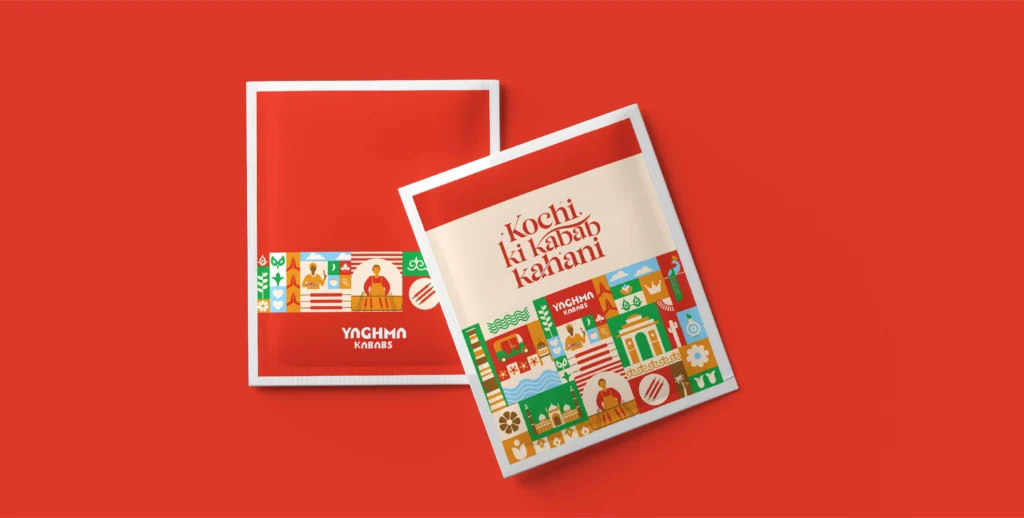
One of the most commercially significant illustration trends of 2026 is the shift in illustration for packaging design. Brands are moving away from flat icons and stripped-back minimalism, replacing them with story-driven illustrated worlds.
Instead of a clean logo on a plain background, we’re seeing full scenes – characters, environments, narratives that communicate where a product comes from, how it’s made, and what it stands for. This approach works both on physical shelves and translates beautifully to social media content.
Illustrated packaging helps brands build emotional connection faster than photography or abstract design. A great illustrated package turns a product into a character – one that customers remember, photograph, and share.
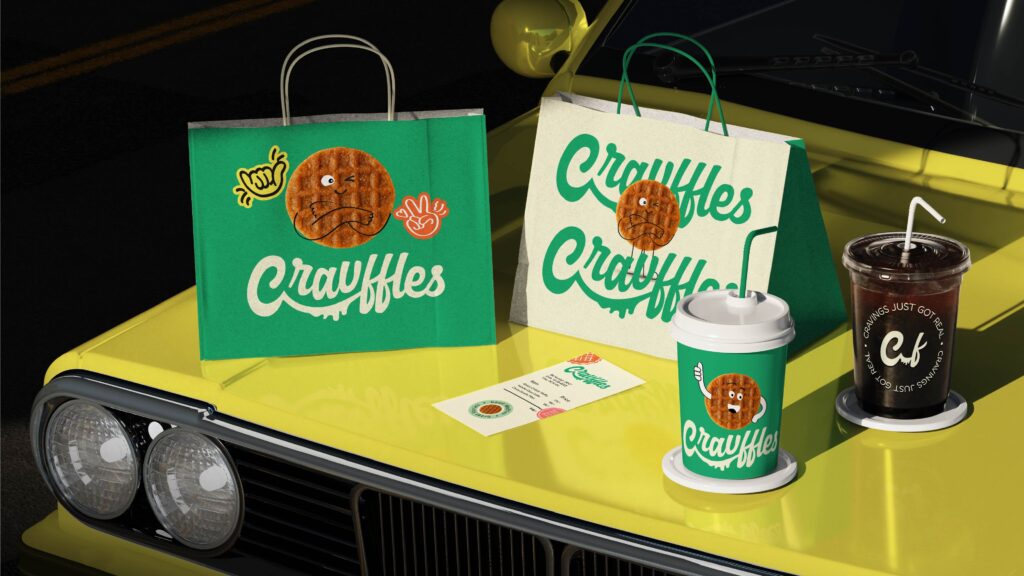
For food, beverage, wellness, and lifestyle brands especially, custom illustration has become one of the highest-ROI investments in brand identity.
At Hapx Digital, We create custom packaging and brand illustration for food, beverage, and lifestyle brands from character mascots to full illustrated packaging systems.
8. Cultural Storytelling Through Illustration
Art Rooted in Identity!
One of the most meaningful shifts in illustration right now isn’t about style – it’s about perspective. There is a significant rise in regional, indigenous, and identity-focused illustration in 2026.
Global brands are increasingly commissioning illustrators whose work comes from a specific cultural location – not as tokenism, but because authentic local perspective is becoming a genuine competitive advantage. Clients and consumers are looking for illustrations that carry real intention, emotional resonance, and human insight.
Illustrators are being asked to bring their lived experience, not just their technical skill. Work rooted in a specific cultural identity – whether that’s a regional aesthetic, a community narrative, or a personal story – stands out in a sea of generic global visuals.
This is a profound shift: the value in illustration is moving from how well you can execute to what only you can say.
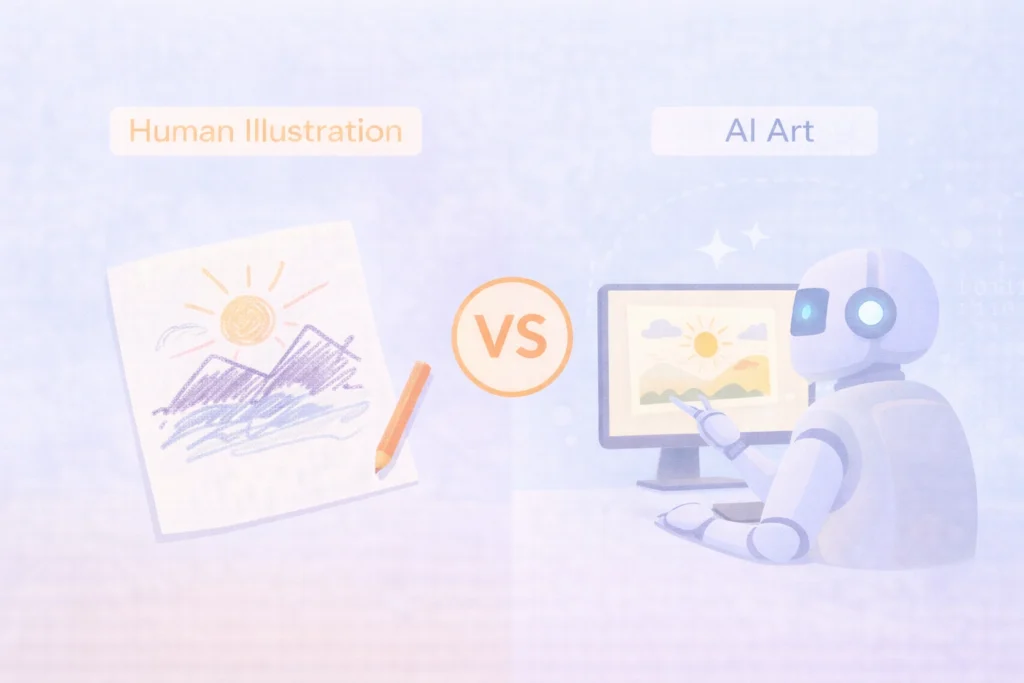
Human Illustration vs AI Art
Where Does That Leave Illustrators?
The honest answer is: in a better position than most people expected.
The comparison of human illustration vs AI art has been a source of anxiety in the creative industry. But the data from 2025 – 2026 tells an interesting story: illustration work didn’t disappear – it bifurcated.
AI handles volume, speed, and generic visual needs. Human illustrators are increasingly commissioned for the work that requires something machines can’t provide: emotional specificity, cultural authority, narrative intention, and the kind of imperfection that signals craft.
Keypoints: The illustrators thriving in 2026 are those who leaned into what makes their work distinctly human – their point of view, their community, their aesthetic voice. That’s not a defensive position. It’s a creative opportunity.
AI accelerated the sorting process. Generic illustration work became cheaper and faster to produce digitally. Genuinely human, authored illustration became more valuable and more sought-after. The market rewarded authenticity.
Best Illustration Styles for Branding in 2026
A Quick Reference
Choosing the right illustration style for your brand depends on your audience, your product, and what you want people to feel. Here’s a practical guide:
1. For personality-led brands = Naive / Playful
Works best for: food and beverage, lifestyle, personal brands, social-first content. Communicates warmth, approachability, and human craft. High engagement on Instagram and packaging.
2. For premium or heritage brands = Printmaking / Hand-drawn texture
Works best for: artisan products, hospitality, luxury goods, editorial. Communicates craft, care, and quality. Strong shelf presence and storytelling depth.
3. For tech and innovation brands = 3D Illustration (hybrid style)
Works best for: SaaS, fintech, healthcare, B2B. Communicates forward-thinking design without feeling cold. Particularly effective for explainer visuals and product interfaces.
4. For digital products & apps = Calm minimalist
Works best for: apps, dashboards, content platforms, lifestyle brands. Communicates clarity, trust, and sophistication. Scales beautifully across devices and screen sizes.
What to Take From All of This
The illustration trends of 2026 aren’t asking you to follow a specific style. They’re pointing in a clear direction: make work that feels real.
Whether that means embracing imperfection, rooting your illustrations in cultural identity, adding motion to your static work, or choosing craft over convenience – the common thread is authenticity. In a world where anything can be generated, what you create with intention and skill becomes more valuable than ever.
The illustrators, designers, and brands winning right now aren’t the ones chasing trends. They’re the ones asking a more fundamental question:
what can only we say, and how do we say it visually?
That question – not any particular style – is the real trend of 2026.
Frequently
Asked Questions
What serviWhat are the biggest illustration trends in 2026?
The dominant illustration trends in 2026 are naive/playful hand-drawn styles, printmaking revival, hybrid 3D illustration, motion and animated illustration, surrealism in digital art, and cultural storytelling through illustration. The connecting thread across all of them is a move toward authentic, human, expressive work over polished or AI-generated visuals.
Is hand-drawn illustration still relevant in 2026?
More than ever. The rise of AI-generated imagery has actually increased demand for genuine hand-drawn illustration. Clients and consumers recognise the difference – and are actively seeking out work that carries human craft, texture, and personality. Hand-drawn illustration is now a premium offering, not a dated one.
What illustration style works best for branding in 2026?
It depends on the brand, but the highest-performing illustration styles for branding in 2026 are naive/playful (for lifestyle and consumer brands), printmaking-influenced (for heritage and artisan brands), hybrid 3D (for technology brands), and calm minimalist (for digital products). The key is choosing a style that aligns with your brand personality, not just what’s visually popular.
How is AI affecting illustrators and illustration work?
AI has taken over high-volume, generic visual work. But rather than replacing human illustrators, it has elevated the value of work that carries genuine human perspective, cultural specificity, and emotional authenticity. Illustrators who have a distinctive voice and point of view are reporting strong demand in 2026 – the market is rewarding what AI cannot replicate.
What illustration styles perform best on social media in 2026?
Motion illustration (short looping animations), naive/playful hand-drawn styles, and story-driven character illustration perform best on social media in 2026. These styles stop the scroll, create emotional response, and encourage shares – all critical metrics for social content performance.
Want illustration that actually connects?
We create custom illustration and character design for brands that want to stand out – not just look good.